EnharComm Engineering
THE QUARTERLY
ISSUE Nº 12 Q2 · 2026

Your expert partner for solar, battery and EV projects
Field notes from Australia's energy transition.
SOLAR · STORAGE · ENGINEERING · Consulting
On the cover
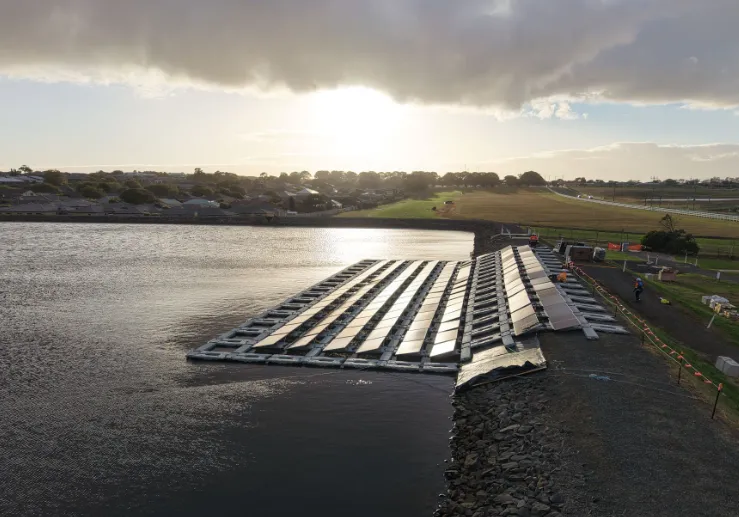
Australia's largest floating solar array — 500 kW commenced construction this quarter, with detailed engineering and grid connection management by EnharComm.
About EnharComm
Online feature
EnharComm is an independent renewable-energy engineering and consulting practice based in Australia. We deliver quality outcomes across solar PV, battery storage, off-grid power systems and EV infrastructure projects for C&I, education and government clients.
The Quarterly is our field journal — practical observations from Australia's energy transition, four issues a year, written for the engineers and decision-makers who do this work.
In this
issue
Lead Story · Project
Australia's largest floating
solar — 500 kW construction commenced this quarter.
The largest floating solar installation in Australia commenced construction this quarter— a 500 kW array on water, with EnharComm leading detailed electrical engineering and grid connection management through to handover.
Floating Solar PV arrays represent a specialised discipline within the solar engineering field, with design and operational considerations that differ significantly from traditional rooftop and ground-mounted systems. Unlike conventional arrays installed on stable, fixed structures, floating PV systems operate in dynamic water environments where factors such as wind loading, wave action, water level variation and current movement must all be carefully considered.
These systems require a purpose driven design for anchoring and mooring arrangements to maintain array stability and positioning, while electrical infrastructure must be specifically selected and protected for long-term performance in water-side and high-moisture environments. In addition, maintenance access, personnel safety and ongoing operational requirements introduce further complexity.
The natural movement of the floating structure must also be accounted for within both the structural and electrical design to ensure system reliability, durability and safe operation over the life of the asset.
On this project we worked through detailed electrical design, complex cable management, grid integration and safe maintenance access. The engineering work spanned several months and required close coordination with the installation contractor and the supply authority.
The result is the country's largest floating solar installation which is set for final commissioning later this year. For a sector still defining its standards, it's a meaningful step.
Key Facts
Project at a glance
500 kW capacity, water-mounted PV
Largest floating solar in Australia
EnharComm: detailed engineering & grid connection management
Construction commenced Q1 2026
Coverage: see Project Highlights below
01
FIELD NOTES
Quality Assurances
Lessons from dozens of post-install audits.
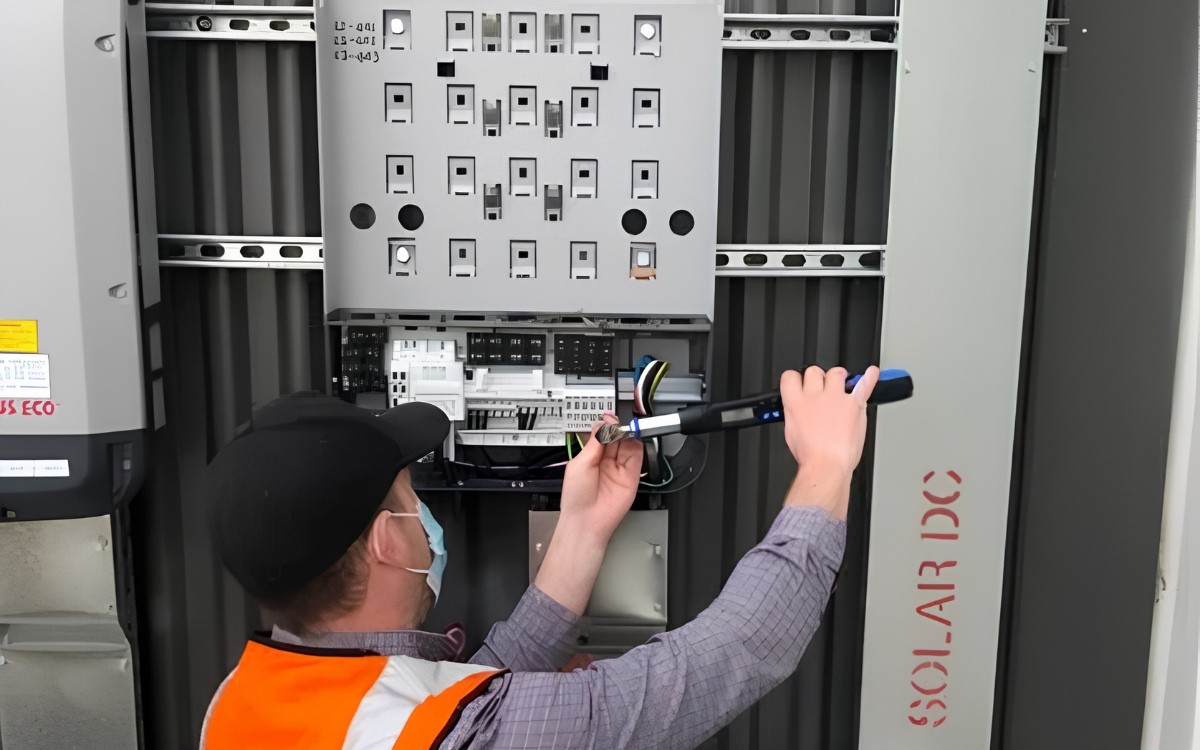
Over the past three months we've completed dozens of post-installation quality and compliance audits on commercial-scale solar PV and battery systems. Installation quality continues to improve across the industry — but we still see basic issues being overlooked, and several with real safety consequences.
Common findings:
Under-torqued electrical terminals
Under- or over-torqued solar framing
Inadequate trenching depth for underground cabling
Insufficient planning for safe roof access to the array and surrounding areas
More serious issues have included un-engineered roof-mounted inverter structures — in one case where complete failure had occurred. This failure cause a significant mounting structure to collapase and not only causing damage to the PV equipment but the existing roof was damaged during this failure event.
While all systems are required to be inspected by electrical inspectors, that work doesn't typically include a full audit of the installed system. As a minimum, we recommend a third-party full installation audit on every commercial solar and BESS project prior to final payment to the contractor. This will ensure installation defects are rectified before they become a long term issue on your investment.
Equipment
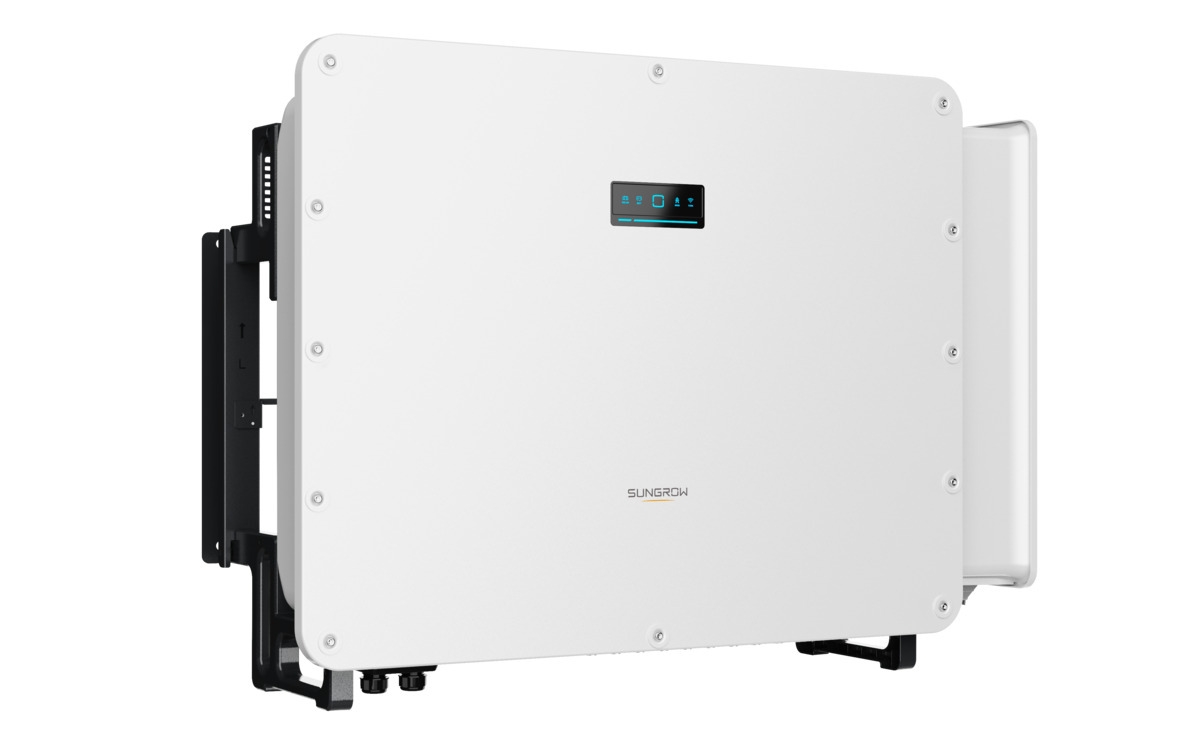
One of the largest hybrid inverters hits the Australian market.
Sungrow is set to introduce one of the largest hybrid solar inverters currently available in the Australian market, further expanding the scale and capability of commercial and industrial battery energy storage integration. The new 110 kVA hybrid inverter delivers significantly higher power capacity than the majority of hybrid inverter solutions currently available locally, positioning it as a strong option for large-scale commercial Solar PV and Battery Energy Storage System (BESS) applications.
It carries forward all the features of the 110 kVA solar inverter the industry has been deploying for the past three years — but adds battery functionality, with support for a wide range of battery sizes and configurations. It has strong communications capability and can handle additional headroom when charging the battery and supplying backed-up loads.
We've designed many of these hybrid units into recent projects. If you'd like design expertise on your next solar-plus-BESS project, get in touch.
From the audit notebook
Other significant items this quarter.
Two findings worth a closer look — both with implications for compliance, safety and long-term system reliability.
Underground cabling depth & mechanical protection
Underground cabling installed below the required depth and without appropriate mechanical protection. Although designs clearly specified the correct details, the actual installation didn't meet specification. Site visits during construction — a standard part of our quality control — allowed for early intervention and rectification, limiting impact to project timelines.
Protection device selection & rating
Time and again we see protection devices not sized suitably to AS/NZS 61439. This is a critical aspect of compliant electrical system design — particularly in solar PV installations, where elevated operating temperatures and continuous current profiles are common. Devices not appropriately rated to AS/NZS 61439 can cause insufficient heat dissipation within switchboards and enclosures, resulting in excessive thermal stress on both protective equipment and associated cabling.
Regulation · NSW Update
NSW joins the national push:
CSIP-AUS mandatory from June 2026.
From June 2026, New South Wales will join Victoria, South Australia, Western Australia and Queensland in requiring CSIP-AUS compliance for all distributed energy resources below 200 kW. The shift signals a national-scale move toward dynamic, communicating grids — and a real change in how installers deliver and commission systems.
CSIP-AUS — the Common Smart Inverter Protocol — is a standardised communications protocol between distributed energy resources and utility networks. It enables flexible exports, allowing the supply authority to continuously adjust the export limit rather than holding to a fixed cap. The result: more total generation across the year while keeping the grid within the limits of installed network equipment.
For installers, the new requirements mean additional steps at every job: confirming compliant equipment, registering the system in the CER installer portal, registering the device through the manufacturer's portal or app, and verifying successful communication with the DNSP server. CSIP-AUS also requires a power meter on the consumer's mains, suitable for the protocol and capable of interfacing with the inverters.
The upside for system owners is meaningful. Because the supply authority can dynamically lift generation beyond a previous fixed or zero-export limit, well-designed PV systems can deliver materially more energy over their lifetime.
WHAT INSTALLERS NEED
The new install workflow
CSIP-AUS-compliant inverter and equipment
System registered in CER installer portal
Device registered via manufacturer portal/app
Verified comms link to DNSP server
Compatible power meter on consumer mains
02
TEAM SPOTLIGHT

NINE YEARS AT ENHAR
The off-grid specialist who keeps the office moving.
Our longest-standing team member, Rana Mitra, recently celebrated nine years at Enhar. Rana is an experienced electrical engineer with SAA accreditation and more than fifteen years in the solar and battery industry. He leads our off-grid power system design practice, bringing deep knowledge of optimised off-grid systems and battery technology to every project.
"A well-loved and important part of the team — and the unofficial keeper of the 3:30pm Friday afternoon beer run."
We all look forward to that Friday ritual, soundtracked by Rana's experimental jazz and his ongoing case for Elon Musk. His newfound enthusiasm for office Lycra has been somewhat less universally embraced.
03
FEATURE
EV Infrastructure
Solving the strata charging
problem, one carpark at a
time.
EV demand in Australia continues to grow — and so does the need for residential strata buildings to provide equitable charging infrastructure to their tenants. Strata properties are notoriously tricky for EV rollouts: connection to common-area meters with limited electrical capacity, complex installations across extensive carparks, planning constraints, cost allocation between owners, and sometimes a simple lack of agreement among the apartment owners themselves.
The challenge is to balance future charging needs against the cost and disruption of upgrading the building's electrical infrastructure and grid connection. Installing one or two chargers is straightforward. Delivering equitable charging to every carpark is not.
Installing a couple of chargers is straightforward. Delivering equitable charging to every
carpark is not.
It calls for smart solutions: smart GPOs, dynamic load management systems, and assessment of on-site electrical infrastructure during the planning phase — not after the slab has been poured.
If your building is starting that conversation, we can help you scope what's actually needed and what can wait. Reach out for a feasibility assessment tailored to your site.
FURTHER READING
The Driven · March 2026
04
PROJECT HIGHLIGHTS
A look at the work crossing our desks this quarter — from rooftop arrays to floating PV, ground-mount solar with storage, and post-install assurance for council infrastructure.
RACV rooftop & carport
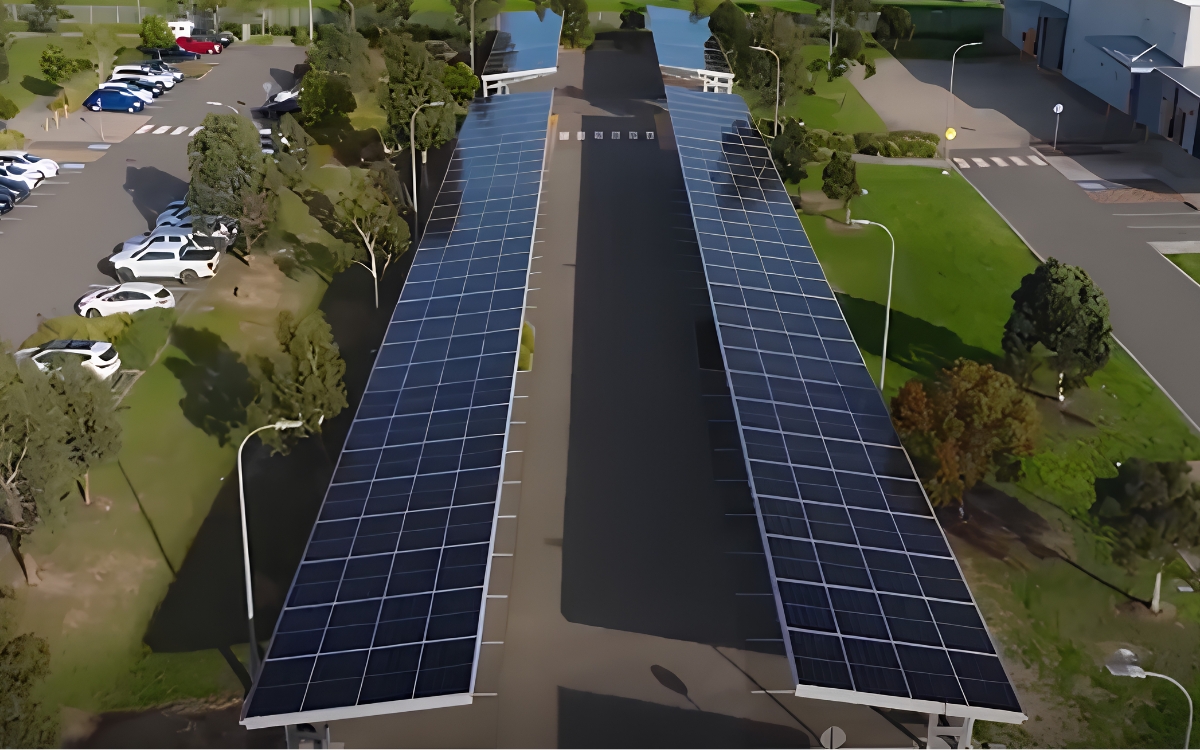
350 kW rooftop & carport solar
Detailed engineering · Grid connection management
Recently commissioned for RACV. EnharComm provided full detailed engineering and grid connection management through to handover.
Commercial · Commissioned
coverage
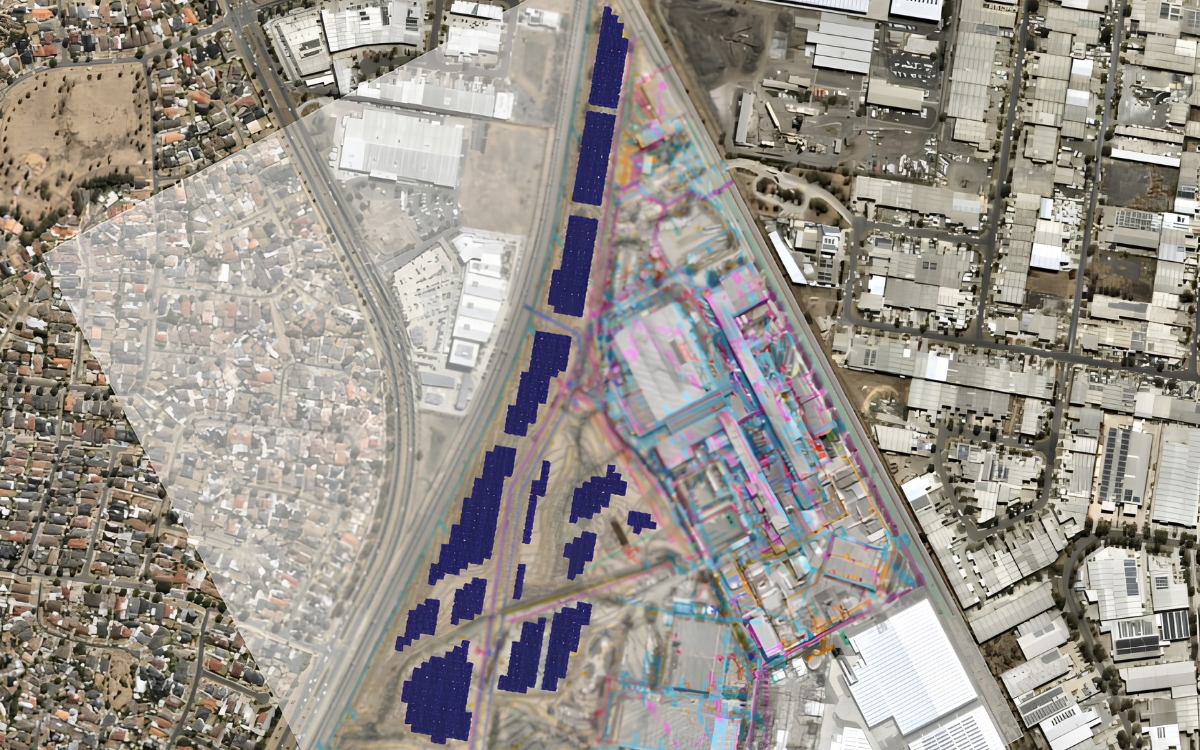
15 MW industrial solar
15 MW solar PV with direct DC input for steam & manufacturing
Solar & electrical concept design
Concept design for a 15 MW ground-mount solar array supplying steam and a large manufacturing plant, including direct DC input to the heat process.
Industrial heat · Ground mounT
STATUS
Water Treatment Plant Solar + BESS
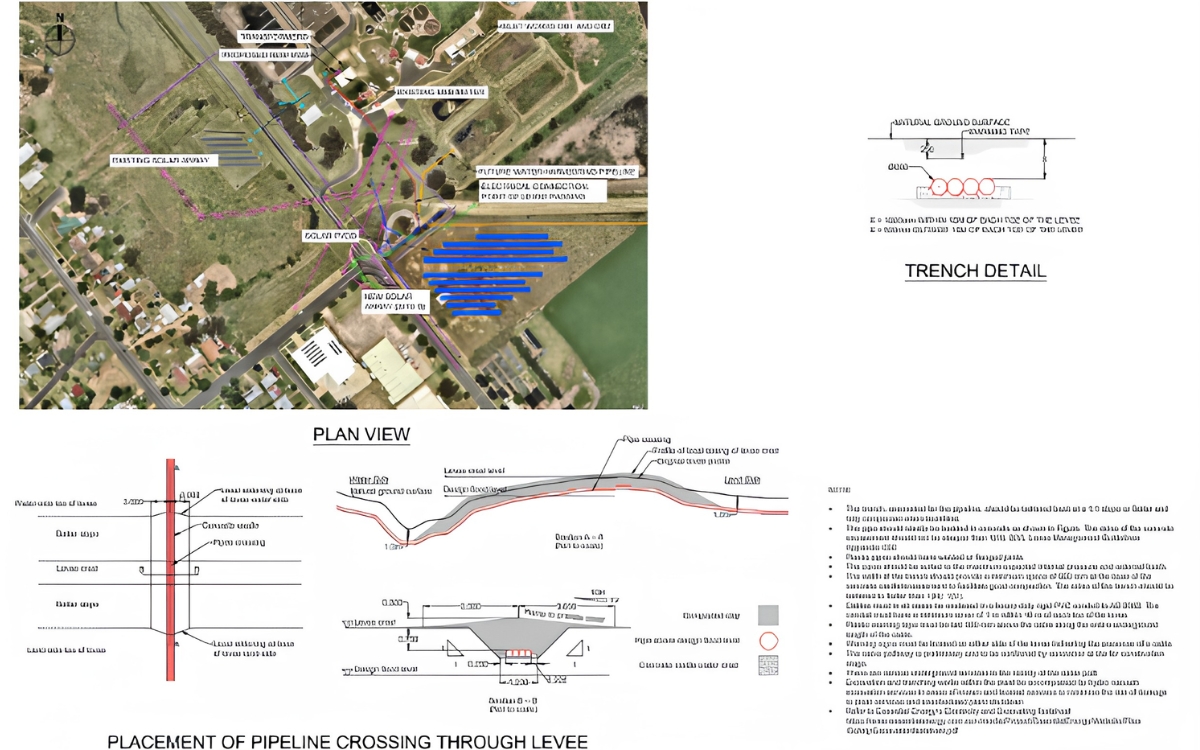
700 kW ground-mount solar & 500 kWh BESS
Detailed design · Tender documentation
Currently progressing through detailed design to tender issue for a regional local council, following completion of technical and financial feasibility assessments.
Council · Solar + Storage
STATUS
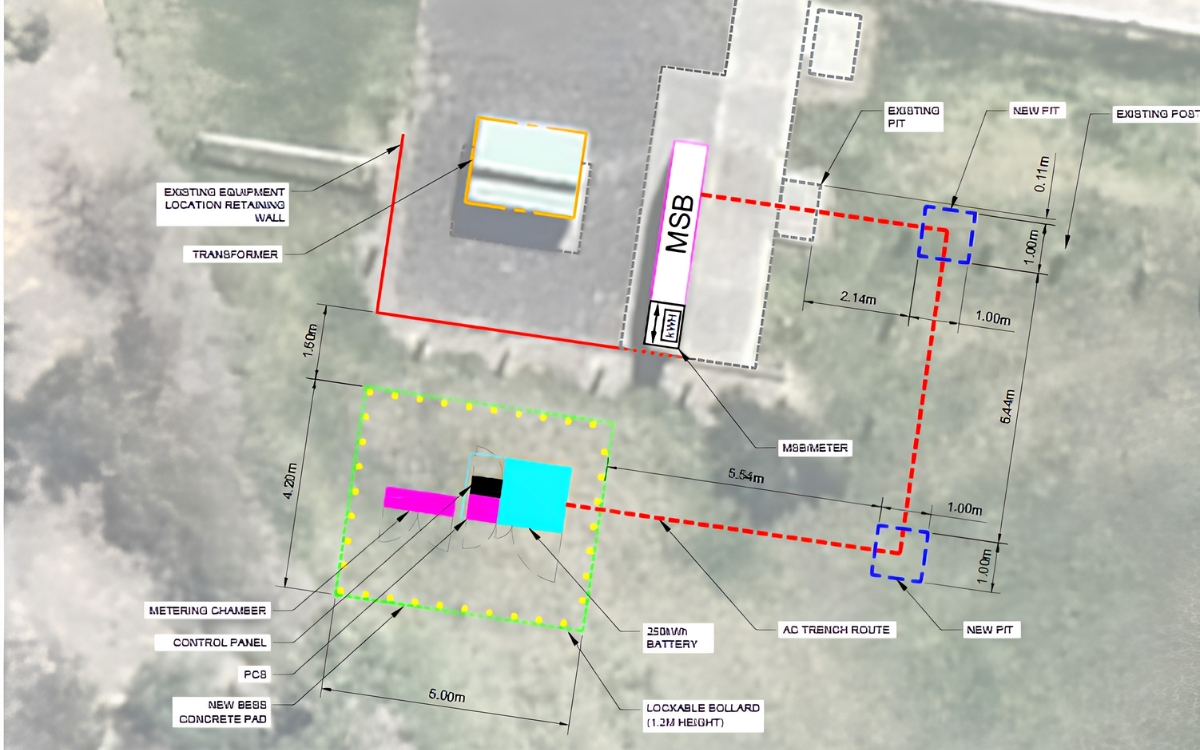
Local Melbourne Council ‘Neighbourhood BESS project'
3 × Battery Energy Storage Systems · 100 kVA /200 kWh
Post-installation auditing · Documentation review
Completed post-installation auditing and documentation quality review for a Victorian council, following earlier feasibility, electrical, engineering and tender documentation work to de-risk the project.
Council · BESS · End-to-end
STATUS
05
WORTH READING
The Conversation
Online feature
RECOMMENDED THIS QUARTER
"Our interest in electric vehicles has grown due to oil price spikes — and it's likely to remain."
A useful read on how fuel-price volatility is reshaping the economics of EV adoption — and why that interest is likely to stick. Worth a few minutes if you're weighing up fleet electrification or thinking about how charging infrastructure fits into a longer-term strategy.
ABC News
Policy update
Cheaper Home Batteries Program
The home battery rebate has shifted — and bigger systems take the hit.
The scheme has doubled Australia's residential battery capacity in under a year. Recent changes maintain a strong rebate for home-scale systems, but significantly reduce support for small commercial BESS between 28 and 100 kWh.
0-14 KWH
100%
14-28 KWH
60%
28-50 KWH
15%
AER
Regulatory
Victorian distribution tariffs
Victoria's solar soak arrives July 2026 — and reshapes the battery business case.
The Australian Energy Regulator has issued its final determination on Victorian distributor tariffs. Standard residential network TOU tariffs will include an 11AM–4PM window at just 1c/kWh from the grid. While this reduces the viability of residential solar PV alone, it simplifies and strengthens the case for batteries.
Solar soak window
11AM – 4PM
Grid rate
1c / kWh
Applies from
1 July 2026

Have a project
on the horizon? Let's talk.
About EnharComm
Independent renewable-energy engineering and consulting — solar, battery storage, off-grid systems and EV infrastructure across Australia.