Electric Vehicle Charging in Apartments: Secrets from 100+ Assessments
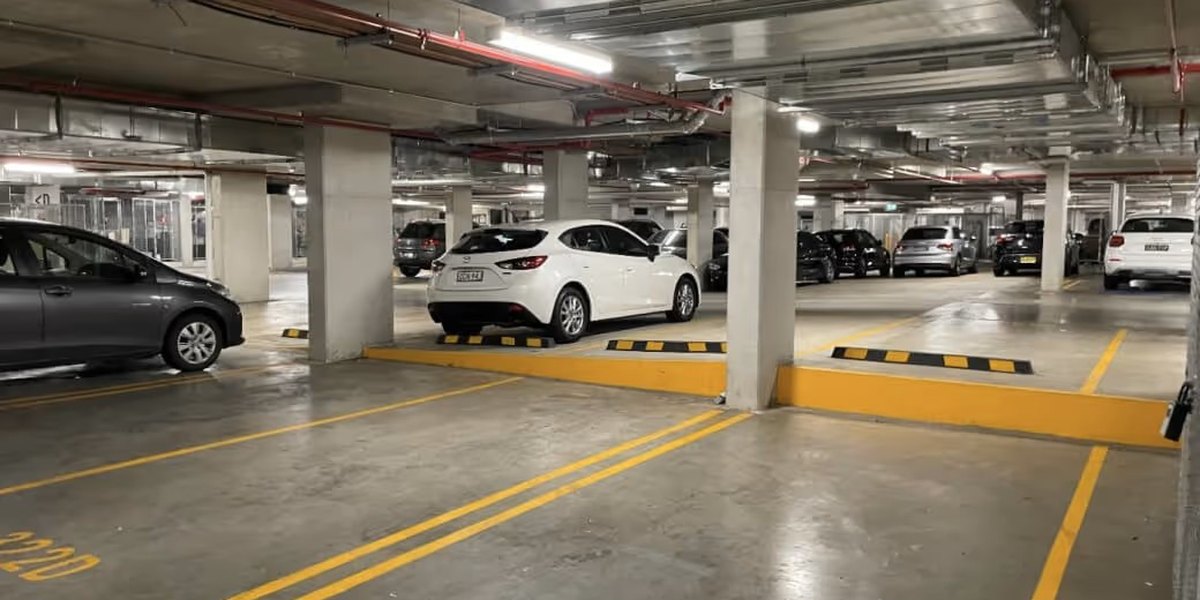
The shift towards low-emissions transport using electric vehicles is ramping up dramatically. While retrofitting charging infrastructure to apartment buildings can seem daunting and expensive, if approached methodically, it doesn't have to be.
In NSW, 15% of the population lives in apartments (approximately 84,000 strata schemes) or around 1.13 million residents. Most of these buildings are currently fielding enquiries from residents and are investigating how to integrate charging support for EV's. And it's now likely that EV chargers will be required for the majority of car spaces.
Having worked alongside Councils looking to electrify their fleets since 2018, the team at EnharComm has also completed more than 100 EV charging feasibility studies for residential Strata apartments seeking to become EV-ready.
In this article, Ian Foster, EnharComm's NSW Manager shares information and learnings from the multiple studies and projects retrofitting EV chargers to large residential apartments and EnharComm's approach to such projects to help you on your electrification journey.
Key takeaway: While retrofitting EV charging to apartment buildings can seem daunting and expensive, approached methodically it doesn't have to be - the key is assessing electrical capacity and managing charging.
Key Considerations for EV Charging Upgrades to Apartment Buildings
Apartment buildings, with their diverse range of size, age, layout and electrical infrastructure, present unique challenges when it comes to retrofitting EV charging, as each site has unique requirements, limitations and constraints.
Key factors to be taken into account include:
Electrical capacity
How many EV chargers the building can support with existing electrical infrastructure without significant and costly modifications. Requirements are identified with and without Load Management System (LMS).
Accessibility
How easy is it to connect the building's electrical supply to EV charger locations?
Shared and/or Private charging
Shared charging often has a lower capital cost and high volume of use, while private charging at individual car park spaces is preferred by residents, which can present significant challenges to capital cost, available electrical capacity and volume of use.
Cost recovery
How will the system ensure accurate monitoring, fair and equitable allocation of costs and keep additional administration at manageable levels?
Management
How will the facility management and owner's associations ensure effective decision-making and resource allocation?
Upgrade Compatibility
How will the EV charging system be upgradable and compatible with future additions and technology over the next 2-20 years?
Maintenance and OPEX
How will the ongoing maintenance, monitoring and operational requirements of the EV charging infrastructure be managed?
To support informed decisions and sustainability goals, this information should be presented to management and strata committees clearly and simply, by an expert in the field.
That way, decision makers understand the key factors behind a well-informed EV charging strategy.
Assessing Electrical Capacity: 3 Possible Outcomes for EV Load
At the outset, it's crucial to determine the building's current electrical capacity with and without load management systems (LMS).
There are 3 possible outcomes based on the above regarding the number of desired EV chargers and the building's capacity to support the charging.
EV capacity and load will not exceed electrical capacity (minor additions and upgrades)
EV capacity and load will exceed electrical capacity; however can be load managed to meet EV charging demand (minor upgrades and LMS)
EV capacity and load will significantly exceed the site's power supply and/or electrical infrastructure
Let's take a look at how EnharComm navigates these different scenarios optimised for delivery, speed, and cost.
1. EV load will not exceed electrical capacity (minor additions and no upgrades needed)
The most straightforward retrofit, EV chargers can be added to the existing electrical network without expensive upgrades of transformers, main switchboards, and other electrical equipment.
EnharComm has been pleasantly surprised to find that a considerable number of apartment buildings already have enough electrical capacity to support significant EV charging, using established load management and scheduling systems (LMS).
Many of these buildings could potentially accommodate Level 2 charging stations for all or most of their parking spaces
2. EV load will exceed the building's electrical capacity (minor upgrades and LMS needed)
In instances where the existing electrical supply cannot meet the demand, a few options are presented and/or a staged rollout is planned. This approach helps keep the initial costs low while still providing EV charging infrastructure to residents.
This strategy can include shared charging stations and charging scheduling, and if 100% coverage is required, upgrades to switchboards and additional connections are made to reach each resident's car space.
Should the owner's association wish to provide EV charging for every car space, a comprehensive plan is designed and presented to stakeholders to show how this can be achieved.
Shared charging stations, scheduling and cooperation can help keep costs down while providing residents with access to EV chargers in the short to medium term.
3. EV load will significantly exceed the site's electrical capacity (major power supply upgrade and/or electrical infrastructure needed)
The most complex and costly situation (and, thankfully, the least common in our experience) is when transformers and other building power supply upgrades are needed to accommodate EV charging.
These upgrades don’t need to be completed all at once.
A rollout can be staged by installing some Electric Vehicle Supply Equipment (EVSE) in the short term to provide charging in shared car spaces, then assessing actual demand over the coming years as EV uptake grows.
Staged rollouts have been effective in apartment buildings that don’t have enough electrical capacity to cover every parking space.
Case Study: How EnharComm Retrofits EV Chargers in a 1990-2000's Apartment Building
Let's take the typical example of EnharComm's approach to an EV retrofit to an apartment building built in the 1990-2000's with around 200 car spaces.
The first step is usually to identify electrical limitations and low-risk electrical connection points for EV chargers.
Based on the results, a few options are presented for shared (usually 22kWAC-75kWDC) and private charging (usually 7kWAC) that are more than capable of providing overnight charging for a standard EV.
A gradual rollout of private charging, covering a much larger share of car spaces (regularly up to 100% with a Load Management System, or LMS), is also presented. This usually includes an EV backbone, which makes it simple to connect more chargers as residents need them.
This kind of staged rollout focuses on cost-effective private charging.
After thorough analysis of 30+ sites, EnharComm found that most apartment buildings did not need significant upgrades to their electrical supply to reach 100% EV charging coverage. Instead, an LMS can manage EV loads and avoid major, expensive upgrades, while still providing enough charging for typical EV use.
Once the electrical feasibility is complete EnharComm usually recommends that input on fire safety requirements and consultation with building insurance providers is undertaken to further inform design.
To help alleviate costs, these studies may be funded under grants such as the City of Sydney Smart Green Apartments or NSW Government Electric Vehicle Ready Buildings Electric Vehicle Feasibility Panel.
It’s also important to note that a development application is likely to be required where visitor spaces are used for shared charging.
Prohibitively expensive upgrades can often be avoided through careful design and strategies such as an LMS, achieving 100% EV coverage of car spaces while still providing enough charging for residents’ vehicles.
Green EV charging
Electric vehicles are a great step toward a greener economy, however, they are only as clean as the energy that powers them. Having rooftop solar panels generating some of this power is a natural next step in the transition to a greener transportation system.
Unfortunately, many multi-level apartment buildings aren't designed to or have the necessary real estate for a straightforward solar power installation. The structural, electrical, roof safety equipment, building envelope, heritage/permitting, constructibility and compliance requirements often present complications.
That is not to say they can't be done, but it requires specialised knowledge and a bulletproof strategy to implement solar PV systems that generate enough energy to supply a large EV charging fleet, such in the case of the 200-car park apartment building.
Powering electric vehicles with solar power is a logical extension to EV upgrades, but presents many challenges that require expert guidance.
Conclusion
The world is transitioning to one in which EVs will be the dominant vehicle type on the roads and it's critically important that EV charging be implemented to support the rapid adoption; in particular for residential strata buildings.
Many new buildings are already required to provide EV charging, and there is demand for older buildings to add EV charging to their existing electrical system, with the latter requiring significant know-how to achieve safely and cost-effectively.
The team at EnharComm hopes that you now have an idea as to what factors ensure an EV charging infrastructure project runs smoothly, to ensure expectations are met on-time and on-budget.
If you have an EV charging project and require help with any of the steps; tailored feasibility and evaluation, detailed design specification, procurement, technical and project management, the EnharComm team are happy to help.
Send us a message with some details about your project and we'll get back to you as soon as possible.
Insights like this, every quarter
An independent perspective on solar, battery, off-grid and EV - straight to your inbox.
Looking at a solar, battery or EV project? Talk to our engineers →