
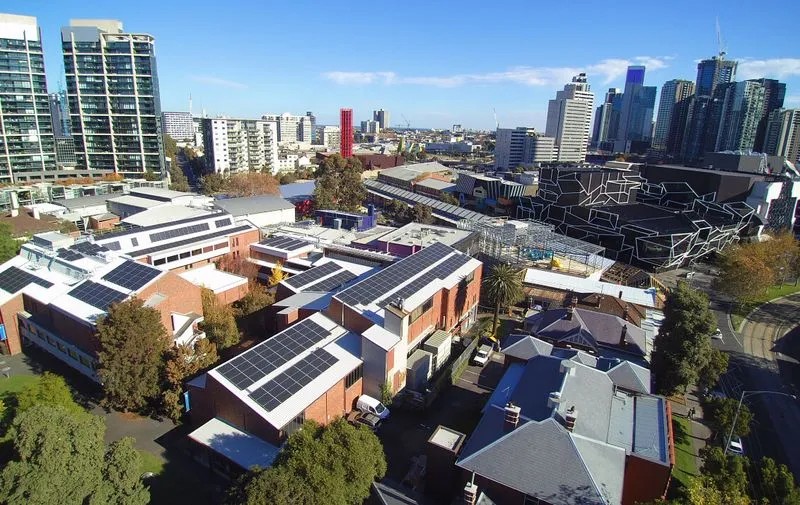
Post-installation audits
Post-installation auditing to ensure compliant installations, reducing future performance and safety issues.
What’s involved.
Non-compliant workmanship and installation defects can compromise system safety, performance, reliability and warranty protection. EnharComm combines certified electrical engineering expertise with the practical experience of our in-house A-Grade electricians to independently assess installed solar PV and battery energy storage systems (BESS).
Our evidence-based audits identify defects, verify compliance and assess installation quality against approved designs, project specifications and relevant Australian Standards. We recommend conducting the audit before practical completion is accepted and final payment is made to the contractor, allowing defects to be identified and rectified while the contractor remains responsible for delivering a compliant installation.
Independent technical review and documentation
- Review approved for-construction (IFC) drawings, electrical designs, project specifications and relevant engineering documentation against the installed system
- Review operation and maintenance (O&M) manuals, commissioning records, test results, warranties and handover documentation for completeness and consistency
- Verify installation requirements against applicable Australian Standards, manufacturer instructions, DNSP requirements and project-specific obligations
- Combine certified engineering oversight with practical electrical installation experience to identify technical deficiencies, design discrepancies and compliance risks
On-site inspection and workmanship audit
- Detailed physical inspections by EnharComm’s in-house A-Grade electricians, assessing workmanship, installation quality and compliance across commercial solar PV and BESS systems
- Roof-level inspection of mounting attachments, cable management, isolators, connectors, wiring and electrical terminations
- Inspection of inverters, solar distribution boards, switchboards, protection systems, battery installations and associated electrical infrastructure
- Thermal imaging of solar modules, connectors, isolators and other accessible components where appropriate to identify potential overheating and electrical defects
Defect identification and engineering assessment
- Document installation defects and non-conformances with supporting photographs and clear references to applicable standards, approved designs, specifications or manufacturer instructions
- Assess the technical significance of identified defects, including potential safety, performance, reliability and warranty implications
- Provide a concise, colour-coded audit report prioritising corrective actions and identifying the works required to achieve compliance
- Apply engineering expertise to assess complex technical issues and distinguish between workmanship defects, design discrepancies and broader system compliance concerns
Rectification, verification and practical completion
- Provide the contractor with a clear defect register and required corrective actions, supporting an accountable rectification process
- Review contractor responses and rectification evidence, with follow-up inspections or technical reviews where required
- Verify that identified defects have been appropriately addressed and that outstanding commissioning, compliance and handover documentation has been provided
- Support the project owner’s practical completion assessment with documented findings before acceptance of the works and release of final contractor payment
Independent by design.
We hold no product lines and take no installer commissions. Our only job is the quality of your asset and the strength of your business case - which is why, from feasibility to commissioning, our advice answers to you and not the installer.
Non-compliant installations are common. An independent audit before final payment is the cheapest insurance you will buy.
- EnharCommProjects like this one.
A selection of relevant projects from across our work.
Nillumbik Solar, Battery & EV: Owner's Engineer
Owner's engineer for solar PV, battery backup and EV chargers at two Nillumbik Shire Council leisure centres, from feasibility to final commissioning. ...more
Solar PV ,Battery & Hybrid EV Infrastructure Owner's Engineer Post-Installation Auditing &Councils & Government
July 18, 2023
City of Darebin 850kW Solar & Energy Storage
Feasibility, tender design and owner's engineering for 850kW of solar and 110kWh of energy storage across City of Darebin sites. ...more
Solar PV ,Battery & Hybrid Feasibility Owner's Engineer Post-Installation Auditing &Councils & Government
January 12, 2023
Brisbane Convention & Exhibition Centre 309kW
Tender design, grid approvals and owner's engineering for a 309kW solar system on a high-profile inner-city venue. ...more
Solar PV ,Design & Engineering Grid Approvals Owner's Engineer Post-Installation Auditing &Commercial & Industrial
December 21, 2022
Common questions.
Why audit a completed solar installation?
Non-compliant installations are common and cause performance, safety and warranty issues. An audit verifies compliance and captures defects for rectification before final payment.
What does the audit cover?
Roof attachments, wiring, isolators, inverters, switchboards and thermal imaging, plus documentation, delivered as a colour-coded report with photos and recommended corrective measures.
When should the audit happen?
Before practical completion and final payment, so any defects are rectified while the contractor is still engaged.
Ready to scope your next project?
Get an independent engineering team on your side, from feasibility to commissioning.
Start a project →