Key Things to Watch in the Solar, BESS and EV Space
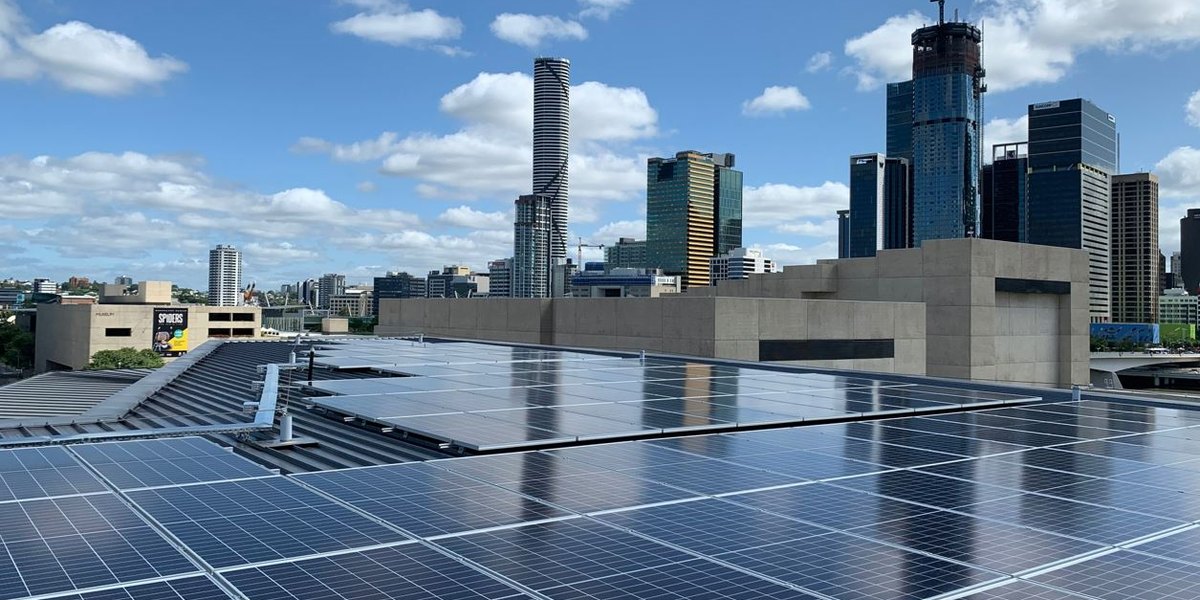
With 2024 now underway, the solar and sustainable energy sector in Australia is poised for some exciting developments and trends.
In this article, the EnharComm team would like to share some industry specific insights about the current state of electrification in the commercial solar, electric vehicle (EV) and battery storage sectors.
While there are plenty of exciting opportunities for those that take a proactive approach, there are some important challenges to be aware of when developing and building projects.
Here are the key takeaways for electrification including commercial solar, EVs and broader electrification:
Continued growth is expected in the rooftop solar space for the public and private companies to increase business stability, reduce energy costs and add solar as an asset to the balance sheet.
Reduced uptake of rooftop solar for councils and universities as they have already hit their electrification targets though additional solar projects are expected to support EV's and the 'going off of gas.
Prices are expected to remain stable as distribution tariffs were recently increased on their 5-year schedule, and no coal-power plants are set to close until 2028.
Increased uptake of EV's, especially in fleets and the acceleration in the rollout of public charging infrastructure.
Worth knowing: Prices are expected to remain stable as distribution tariffs were recently increased on their 5-year schedule, and no coal-power plants are set to close until 2028.
Commercial Solar
The state of commercial energy
Australia has seen impressive growth in uptake of solar PV systems in recent years with 32.3% of homes having installed a solar PV system and many councils, universities and public buildings have hit their electrification targets, reducing their reliance on the grid and the associated costs.
Companies during this time have seen the least uptake in solar, while energy prices have increased significantly more than all other markets .
Distribution costs have recently increased at their 5-year interval, however with so many factors at play; inflation, global events (war) in resource rich areas, additional renewables, new energy retailers with competitive prices - the energy market is facing uncertain times.
Moving forward, there is a delicate balance in play that needs to be managed to ensure grid and price stability. Key constraints we are facing:
Demand can not increase disproportionate to generation.
Generation can not be added at a rate that destabilises the grid.
As we navigate this transition, individuals and companies that have secured energy generation and storage technologies will have some safety buffer in the years to come.
Where we are heading
Due to the increasing population, number of EV's on the road and the gas-ban for new home builds, AEMO expects continued growth in energy consumption. While 2021 and 2022 show reduced consumption due to the covid-19 pandemic, it is expected that affected sectors will see a return to normal levels.
Energy generation is also forecast to grow, however we are seeing a shift in the market participants of solar from homes and government buildings to public and private companies.
For homeowners, this is due to a decrease in the value of financial incentives (Small-scale Technology Certificates) and reduced capital due to the cost-of-living crisis.
For councils, universities and public buildings, the reduction in uptake is due to many buildings already having solar PV systems installed, meaning there is less available roof space.
Councils, universities and the like will be increasing their uptake of EV's and focusing on adding new generation to support the electrification of heating, water heating and cooking appliances.
With this change comes a major focus in focus to public and private companies, which have an opportunity to reduce their emissions and reliance on the grid, add a solar asset to their balance sheet and buffer themselves from potential instability in supply and prices.
Public companies such as Bunnings have started getting ahead of ESG curve, aiming to source 100% of its electricity from sustainable sources by 2025.
Bunnings also generates 30% of their energy for 125 of their 381 stores from solar, meaning there is lots of roof space left to electrify.
Growth in solar uptake of private companies is also expected to ramp up as they still have ample free roof space for solar PV installations.
Quality and experienced installers can't keep up with current demand and as more companies begin electrifying their buildings, it is expected that the price of design and installation services will increase.
Governments, councils and strata apartment buildings have shifted their focus to the next key areas of electrification; transport and heating.
EnharComm has seen a huge shift of focus to EV infrastructure which is needed to support the transition to an all-electric fleet.
And with electrification of heating, hot water and cooking there will be a strong trend in locations with proactive government policies, such as ACT and Vic.
Key Takeaways
Electrification is a challenging process that involves balancing increased demand with increased generation to stabilise costs and the grid.
Councils, governments and universities have added a significant amount of solar PV systems to their buildings and are running out of available space to add additional systems. They have shifted focus to EV's, adding infrastructure to support all electric fleets.
Public and private companies have begun to shift to renewable energy sources and have begun adding solar PV systems to their buildings. This is expected to continue as solar PV systems enable them to be more energy independent, reduce their emissions.
This is increasing demand for quality commercial scale solar PV experts with proven track records. Costs for commercial grade engineers and installations are expected to increase as more businesses join the electrification race.
Conclusion
The energy market has many stakeholders and is extremely complex. With so many macro variables and opposing forces at play that require balancing, it is arguably impossible to predict the all the short-term nuances of the transition to renewables with any certainty.
What is certain is that we are headed to a more electric world as humanity weans off fossil fuels. And the roadmap is relatively clear and having a hand in the industry, it's possible to see the shifts in client types and requests, their motivations as well as keeping up to date with relevant changes in policy and general challenges, which are emerging as the market grows and competition for decreasing easy-access to resources increases.
This report completed for the Australian Government does a great job out outlining the landscape and though written in 2011, it has variables models and projections up to 2050.
If you're interested in an on-the-pulse update for a project that you're currently working on, EnharComm are here and can assist you with your solar, battery or EV project at any stage.
Insights like this, every quarter
An independent perspective on solar, battery, off-grid and EV - straight to your inbox.
Looking at a solar, battery or EV project? Talk to our engineers →